
Find out how it is to live in New Zealand. From the cost of living to how New Zealand compares with other countries around the world.
5 Bucket List Adventures in New Zealand

New Zealand is one of the world’s ultimate destinations. That’s because few countries can beat New Zealand when it comes to breathtaking scenery and things to do.
But how do you choose what to see and do first? We admit, it’s not an easy choice to make. However, everyone agrees that the adventures below are bucket-list worthy!
1. See the Southern Lights

While seeing the Northern Lights in person is a bucket list item for many travellers, the Southern Hemisphere’s Southern Lights is no less spectacular. This night-time light show in nearly all the colours of the rainbow is best appreciated against New Zealand’s clear dark skies. The best places to see the Lights are in the Otago region, just outside of Dunedin, as well as the night skies above Lake Tekapo and Mt Cook.
2. Cruise, raft and go spelunking in the Waitomo Glowworm Caves

New Zealand’s Glowworm Caves are unlike anything else you’ve ever seen! Here the pitch black caves are lit up by thousands of glowworms that have made these limestone caves their home.
To explore the caves, you can opt for a gentle boat cruise or choose to raft the caves on rubber tubes. You’ll also get the chance to jump into cascading waterfalls and climb through the caves. You can add abseiling to the experience to make it even more of an adventure!
3. Get up close to the Franz Josef Glacier

Franz Josef Glacier is one of New Zealand’s most spectacular sights. To experience it, you’ll have to book a helicopter ride as it’s the only way to reach the glacier. You can either go straight to the top of Franz Josef or challenge yourself with up to four hours of guided ice-climbing.
However you explore the glacier, you’ll enjoy panoramic views of the surrounding mountains and get to warm yourself in the glacier hot pools. Not that you’ll be as cold you imagine perhaps. The Glacier’s day time temperatures only dip to between 5C and 15C.
4. Hike the Tongariro Alpine Crossing

The Tongariro Alpine Crossing is New Zealand’s most famous day hike. The 19.4km route takes about nine hours to complete and reveal incredible scenery along the way. You’ll encounter steaming vents, glacial valleys, ancient lava flows, alpine vegetation and colourful crater lakes, all with breathtaking views.
This hike is not necessarily for everyone though. You should have a good level of fitness and ideally have hiking experience. The hike can become treacherous during winter when there is snow and ice on the ground.
5. Visit Milford Sound

This list would not have been complete without adding Milford Sound. Milford Sound is in Fiordland National Park and one of the most spectacular places on Earth. Here majestic peaks tower over crystal-clear lakes. You can explore the area by hiking through the forested landscapes or cruising along the water to see the hundreds of cascading waterfalls up close.
- Published in Life in New Zealand
10 Best places to live in New Zealand

 Unless you’ve been to a country, it’s hard to tell where you’d like to live. That’s why we list the best places to live in New Zealand below.
You’ll find 10 cities on our list, but these are in no particular order. To help you narrow it down, we share:
- The size of each city – because some of us prefer smaller cities over bigger ones.
- The climate – to know what to expect from the weather.
- What or who the city is perfect for – so you can see if it’ll be the right fit for you.
Let’s dive straight into the list.
1. Queenstown

- South Island
- Population: ±15,800 (June 2018)
- Climate: Long, warm days in summer with cold winters and frequent snowfall.
- Perfect for: Thrill seekers and outdoor enthusiasts.
Queenstown is known as New Zealand’s adventure capital. You can go hiking or biking in the summer and hit the slopes for snowboarding or skiing in the winter. The city and surrounds also offer opportunities for skydiving, jet boating, white-water rafting, canyon swinging, zip lining, paragliding, and bungee jumping.
Queenstown keeps it balanced though with world-class restaurants, a cosmopolitan art scene, and exceptional vineyards. You’ll always find something to do!
2. Wellington

- North Island
- Population: ±418,000 (June 2018)
- Climate: Generally moderate temperatures, but windy all year round with high rainfall.
- Perfect for: City dwellers who still prefer a slower lifestyle.
Wellington is New Zealand’s capital and one of the country’s most popular places to live. It offers a high quality of life, it’s easy to get around thanks to a great public transport system, and there is more than enough to do. Wellington boasts some of the best cafes, bars, and restaurants New Zealand has to offer as well as a buzzing nightlife and a lively music scene. Those who love the outdoors can head to the botanic gardens or one of the beaches and bays for walks and water sports.
It’s interesting to note that Wellington is not New Zealand’s most populated city, despite being the capital. In fact, it’s one of the smaller capital cities in the world, meaning it offers a much more relaxed lifestyle than most cities.
3. Auckland

- North Island
- Population: ±1,628,900 (June 2018)
- Climate: Subtropical with warm humid summers and mild damp winters. Sunniest of New Zealand’s main centers and warmest.
- Perfect for: Professionals keen to advance their career.
Auckland is the number one choice for most immigrants, seeing as it’s widely considered to be New Zealand’s economic capital. The city offers plenty of job opportunities, career progression can happen quickly, and salaries are some of the highest in New Zealand. Of course this means the cost of living is slightly higher than in other parts of the country, but Auckland is still a great place to live.
There is also plenty to do in Auckland! The city has galleries and museums, top-class restaurants, parks and harbours, beaches and parks, and an extensive calendar of cultural events throughout the year.
You can really make the most of your evenings and weekends.
4. Napier

- North Island
- Population: ±63,900 (June 2018)
- Climate: Generally dry, warm climate.
- Perfect for: Wine and design connoisseurs.
Napier is a coastal town on New Zealand’s Hawkes Bay region, an area that’s renowned for producing excellent wines. The city itself is especially known for its art deco landmarks, but it’s also famed for its beautiful coastline, fabulous bars and restaurants, and the tree-lined waterfront promenade.
The cost of living in Napier is much lower than in New Zealand’s bigger cities, making it an attractive option for immigrants. The city also has the added advantage of enjoying plenty of sunshine all year round, which makes for both pleasant summers and winters.
5. Christchurch

- South Island
- Population: ±404,500 (June 2018)
- Climate: Mild summers and cool winters. Regular moderate rainfalls. Common for temperatures to drop below freezing point. Snowfalls occur on average three times per year.
- Perfect for: Living life in a green city.
Christchurch is known as the Garden City due to its abundance of beautiful parks and pretty gardens. Of course Christchurch is also known for the devastating earthquakes of 2010 and 2011, and the massive rebuilding initiatives since. It’s the latter which is said to have created the incredible sense of community you’ll find in Christchurch.
Christchurch is heavily influenced by Maori culture and has a massive English community. It is also a city with plenty to see and do, from markets and festivals to restaurants and cafes. While Christchurch is not on the coast, some of New Zealand’s most beautiful beaches are within driving distance.
6. Rotorua

- North Island
- Population: ±59,500 (June 2018)
- Climate: Mild temperate climate. Less wind than in many other places in New Zealand. Temperatures can drop below freezing point in winter.
- Perfect for: Being close to all the best parts of New Zealand.
Rotorua is a tourist hot-spot and an all-year-round destination thanks to its mild climate. It’s never too hold or too cold. Another reason for Rotorua’s popularity is its central location on the North Island. You’ll get to Auckland, Napier, the Coromandel Peninsula, Mt Maunganui, and Mt Ruapehu in just under three hours from Napier.
The icing on the cake? The fact that Rotorua is one of New Zealand’s most affordable cities to live in.
7. Tauranga

- North Island
- Population: ±141,600 (June 2018)
- Climate: Subtropical climate with high humidity.
- Perfect for: Enjoying that holiday feeling all year round.
Tauranga is a stunning waterfront city and one of New Zealand’s most popular holiday destinations. The city has stunning beaches, a vibrant nightlife, and it’s within driving distance of places such as Taupo, Rotorua, and the Coromandel Peninsula.
Tauranga is also a busy port city, creating plenty of job opportunities. Despite the thriving economy, Tauranga is still reasonably affordable to live in.
8. New Plymouth

- North Island
- Population: ±58,300 (June 2018)
- Climate: Moist, temperate climate; Mild winters.
- Perfect for: Art and culture lovers.
New Plymouth, in the Taranaki region, has one of New Zealand’s best art scenes. There are lots of magnificent galleries and the city has a bohemian feel to it.
Many residents choose to walk or cycle to work, as commutes tend to be short. As a happy consequence you’re unlikely to encounter the dread of being stuck in traffic in New Plymouth. This alone is enough to convince some to make their home here!
It should also be mentioned that Lonely Planet voted Mount Taranaki as one of their ‘Must Visit’ destinations of 2017. The region has breathtaking views, world-class surfing conditions, black sand beaches, and – of course – the majestic Mount Taranaki.
9. Dunedin

- South Island
- Population: ±122,000 (June 2018)
- Climate: Temperate climate with mild summers and cool winters, although snowfall is common. Relatively low rainfall in comparison to many of New Zealand’s other cities.
- Perfect for: Music lovers and creatives.
Dunedin has Scottish heritage and Scottish influences are easily spotted in the city’s architecture. It’s fitting that Dunedin is home New Zealand’s only castle. Look up at the misty hills and you might even think you are in Scotland.
Dunedin is also distinctly New Zealand though with a vibrant music scene and a creative vibe. Venture a bit further out to the peninsula and you’ll find rare and unique wildlife.
Here’s something you might know about Dunedin – the city is extremely hilly, so much so that you’ll find the second steepest street in the world in Dunedin (pictured above)!
10. Hamilton
- North Island
- Population: ±203,100 (June 2018)
- Weather: Highly moderate temperatures, but with high humidity. Warm summers and cool and wet winters.
- Perfect for: Being close to all the best parts of New Zealand.
Hamilton is set on the banks of the Waikato River and only 90 minutes from Auckland. However, the cost of living in Hamilton is much more affordable than in Auckland. Just like Rotorua, Hamilton is centrally located, which means you’re never too far from somewhere to go or something to see. In fact, the two cities are close to each other. Also within driving distance of Hamilton are Raglan, New Zealand’s surfing capital, Taupo, and the world-famous Waitomo Caves.
- Published in Family Immigration, Life in New Zealand
The benefits of emigration to New Zealand

 When naming the benefits of emigration to New Zealand, you quickly have a long list!
There almost seems to be no downside to living in the Land of the Long Cloud. It’s safe, it’s friendly and it’s beautiful.
That’s just the start though. Let’s explore the reasons that would motivate any family to immigrate to New Zealand:
Better work-life balance
New Zealanders believe that ‘life is for living’. The proof of this can be found in the fact that New Zealand ranked at the number 2 spot for work-life balance in the 2018 Expat Explorer Survey.
What this means for you is a more relaxed lifestyle with less unnecessary stress. You’ll have time to explore all that New Zealand has to offer and have the opportunity to spend quality time with your family on a daily basis.
Stunning scenery everywhere you look
It’s impossible to discuss the benefits of emigration to New Zealand without mentioning the natural scenery. In New Zealand you can find lush forests, towering mountains, unspoilt beaches, and crystal-clear lakes. The scenes are straight from a postcard!
Friendly people
New Zealanders are renowned for being outgoing and friendly. Many expats are surprised to still find people greeting you on the street, which is a delightful change from just about anywhere else in the world.
One of the safest places in the world
In fact, New Zealand is the second safest country in the world. New Zealand ranked at number 2 in the 2022 Global Peace Index. This spot puts it ahead of countries such as Austria, Portugal and Denmark, which came in at numbers 3 to 5. The number one spot went to Iceland for the 10th year running.
The least corrupt country in the world
New Zealand was ranked first on the 2017 Corruption Perceptions Index. This index ranks 180 countries and territories by their perceived levels of public sector corruption according to experts and business people. A scale of 0 to 100 is used, where 0 is highly corrupt and 100 is very clean. New Zealand managed to achieve a score of 89.
World-class education for children
Your children will receive a fantastic education in New Zealand. Here students enjoy focused, personal attention from teachers, with learning being a balance of practical and theoretical learning.
Classrooms are equipped with computers, internet and other technology. Schools also have plenty of room for outdoor play and sport. Cultural activities are also catered for.
In 2015, the OECD’s Programme for International Student Assessment (PISA) reviewed the reading ability, maths skills and science levels of school children from around the world. The average student in New Zealand scored 506 in reading literacy, maths and sciences, which was above the OECD average of 486.
Superior standards of living
New Zealand cities consistently scores high in Mercer’s annual Quality of Living Survey. In 2018, Auckland and Wellington were the 3rd and 15th best cities in the worlds for quality of living.
New Zealand’s performance is attributed mainly to its natural environment and great climate, stable political and social environment, and good medical and health services.
Second-best global destination for expats
New Zealand continues to rank high on global indexes. This time it’s the 2018 Expat Explorer Survey where New Zealand achieved the second spot on the league table. This means New Zealand is the second best country in the world for expats – as voted by expats.
Expats are quizzed on their experiences in their new country using three themes – experience, economics and family. Experience includes criteria such as healthcare and integration, while economics and family respectively includes criteria such as personal finances and job security, and social life and school quality.
Children have the freedom to be children
Children can enjoy the great outdoors, explore to their heart’s content and walk to school in New Zealand. This is one of the greatest benefits about emigration to New Zealand!
Here’s is Sam and Katy Smith’s story, who chose to raise their children in New Zealand:
Ready to experience the benefits of emigration to New Zealand for yourself?
Book a consultation call with our licensed advisor! You’ll get a short questionnaire and submit critical documents that’ll enable our advisor to assess your visa eligibility. Once the assessment is done, you’ll speak with our advisor to discuss your visa options and the best way forward.
- Published in Life in New Zealand, New Zealand Immigration Advice
Buying a house in New Zealand: A guide for migrants

 Do you have questions about buying a house in New Zealand? Then you’ve come to the right place. We’ve put together a guide with all the need-to-know information for when you have to find a place to stay in New Zealand.
Let’s start with the most important things to know…
Real Estate Authority (REA), a New Zealand industry regulator, recently launched a website, settled.govt.nz, to provide comprehensive, independent information on buying and selling a home in New Zealand.
The website address issues ranging from researching properties to making an offer. The site also features a summary of things REA consider the most important to know when buying a house in New Zealand:
- You must sign a written sale and purchase agreement when you buy a property. This agreement is a legally binding contract between you and the seller.
- Always check your sale and purchase agreement with a lawyer or conveyancer before signing. You must ensure that you understand what you’re agreeing to before signing on the dotted line.
- You can negotiate the conditions in a sale and purchase agreement.
- A sale and purchase agreement becomes unconditional when all the conditions are met.
- The agent helps you and the seller to include the conditions you both want. Even though the agent works for the seller, they also have to deal fairly and honestly with the buyer. They can’t withhold information and must inform you of any known defects of the property.
- The agent will probably use the agreement for sale and purchase approved by the Auckland District Law Society and the Real Estate Institute of New Zealand.
- Before you sign a sale and purchase agreement, the agent must give you a copy of the REA New Zealand Residential Property Sale and Purchase Agreement Guide. They must also ask you to confirm in writing that you’ve received it.
The sales process
Buying a house in New Zealand is a relatively quick process. It can take as little as three to four weeks to complete a house purchase once you’ve found the place you want.
Unlike in some parts of the world, last minute offers can’t be accepted once a bid is formally accepted. This makes home purchases in New Zealand a lot less stressful than you might be used to.
The role players
Aside from yourself and the seller, a real estate agent is involved when you’re buying a house in New Zealand. You may choose to hire a lawyer, especially since you’re not familiar with New Zealand processes, but this is not required by law.
Here’s why hiring a lawyer is a good idea:
Although you’re not required to hire a lawyer, it is a good idea to do so early on in the process. A property lawyer‘s advice and assistance will prove invaluable: can assist you in a number of ways:
- Handle the legal side of the transaction. You’ll be charged a standard conveyancing fee.
- Help you negotiate a purchase price, check the contract, complete a title search and arrange the payments.
- Advise about tax implications.
- Keep you informed of your risks, rights and obligations throughout the sales process.
The Sale and Purchase Agreement
The Sale and Purchase Agreement goes back and forth between you and the seller until a price and all conditions are agreed on.
The agreement will show the date the sale goes ‘unconditional’, i.e. when all of the conditions have been met, and the settlement date, i.e. when you can move into the property. Once the sale goes unconditional, you are legally committed to buying the property.
The price
Property ads usually show either an RV or GV or CV figure:
- RV: Rateable Value
- GV: Government Valuation
- CV: Council Valuation
These figures refer to the valuation used by the local council to calculate rates for the property, but often don’t reflect the property’s true local market value.
You might also come across a BBO figure. This means Buyer’s Budget Over and is an indication of the price the seller wants.
Don’t be afraid to negotiate on the price you see. This is standard practice in New Zealand.
Home loans
If you don’t have cash to buy a house, you’ll have to apply for a home loan. There are numerous loan types available in New Zealand:
- Table loans: Most of the early repayments go to pay interest and most of the later payments pay off the principal.
- Revolving credit loans: Your income goes straight into the mortgage account and your bills are paid out of it. This keeps your loan as low as possible, reducing the interest you pay.
- Straight line or reducing loans: You repay the same amount of principal with each payment, but the amount of interest you pay reduces over time.
- Interest only: You do not repay the money you have borrowed until an agreed time, but you do pay interest.
Keep in mind thought that it might prove difficult to get a home loan when you’re new in New Zealand, as you don’t have a credit rating in the country. That doesn’t mean it’ll be impossible. You may just need to have more paperwork in order than the average person.
News to know about buying a house in New Zealand
There has been a lot of press about proposed changes to the Overseas Investment Act of 2005. The bill which has been introduced propose that overseas nationals cannot buy existing homes or residential land within New Zealand.
The purpose of the bill is to ‘ensure that investments made by overseas persons in New Zealand will have genuine benefits for the country’. As such only a person who is considered ‘ordinarily resident in New Zealand’ will be able to purchase existing homes or residential property.
Under the proposed legislation, a person ‘ordinarily resident in New Zealand’ would include citizens and residents who holds a permanent visa and has been living in New Zealand for at least a year, including 183 days in the preceding 12 months.
However, the bill has not been passed yet and has received plenty of criticism, even from the IMF (International Monetary Fund).
Recapping what you need to know
While there are many things to know about buying a house in New Zealand, this is the most important:
You have to sign a sale and purchase agreement, which is a legally binding document. It is standard to negotiate the conditions of the agreement, including the sales price, and a conveyancer can help you do this. While appointing a conveyancer is not required by law, it is highly recommended.
With a property lawyer by your side, you’ll enjoy better peace of mind about the process and the deal you’re getting.
- Published in Family Immigration, Life in New Zealand
Driving in New Zealand
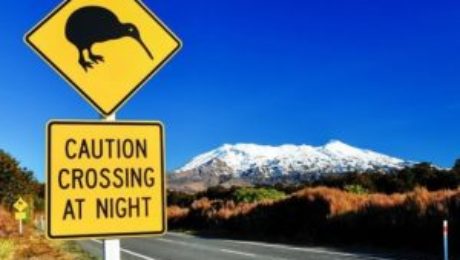
 We’re willing to bet that you have a few questions around driving in New Zealand. Questions like ‘do I need a New Zealand driver’s licence?’ and ‘will I be able to drive the same type of cars if I use an overseas driver’s licence?
The good news is that we have the answers for you right here. All you have to do is continue reading.
Can I drive on New Zealand roads?
The New Zealand Transport Agency states that driving in New Zealand is legally allowed provided you:
- Have a current and valid overseas licence or driver permit, and
- Haven’t been given a disqualification or suspension in New Zealand, and
- Came into New Zealand less than 12 months ago, and
- Your overseas license is in English, or you have an accurate translation, and
- You haven’t been granted a New Zealand driver’s licence since you last entered New Zealand.
If you do not meet all of these requirements, you’ll have to apply for a New Zealand driver’s licence.
For how long can I drive on my overseas driver’s licence in New Zealand?
You’re allowed to drive for a maximum period of 12 months from the date you arrive in New Zealand.
If you’ll be in New Zealand for more than a year, you’ll need to get a New Zealand driver’s licence. If your overseas licence is still current, or has expired less than 12 months ago, you can apply to convert it to a New Zealand’s licence.
What type of vehicles can I drive on my overseas driver’s licence?
As the holder of a valid overseas driver’s licence, you’re considered to hold a New Zealand driver’s licence of a class that allows you to drive the motor vehicles you are allowed to drive under you overseas licence:
- Full overseas driver’s licence: This licence is equivalent to New Zealand class 1 driver’s licence and allows you to drive a car or light vehicle with a gross laden weight of no more than 6000kg.
- Learner, restricted or provisional driver’s licence: The weight limit will be lower than for a full driver’s licence.
- Full overseas motorcycle licence: This licence is equivalent to a New Zealand class 6 licence and allows you to drive any size motorcycle.
- Learner, restricted or provisional motorcycle licence: You can only ride specific motorcycles approved under the Licence Approved Motorcycle Scheme (LAMS).
If your car, motorcycle or heavy vehicle (truck) licence has specified weights or limits which differ from New Zealand classes, the New Zealand Transport Agency recommends that you adhere to the equivalent New Zealand weight limits or, if you’re unsure, obtain a New Zealand driver’s licence.
What are the road rules when driving in New Zealand?
New Zealand’s Road Code is a comprehensive guide to road rules for all types of vehicles as well as cyclists.
However, most important to know is that New Zealanders drive on the left side of the road. This might take a little getting used to if you’re accustomed to driving on the right side of the road.
- Published in Family Immigration, Life in New Zealand
Move To New Zealand

 If you are contemplating moving to New Zealand, it may be a good idea to learn some basic facts about the country. Too often than not, excited families pack up their lives and move to New Zealand, without even stopping to learn the fundamental basics.
If you are one of the many people, who are seriously looking at migrating to New Zealand for the rest of your life, it may be a good idea to learn some basic facts. All too often the excitement of migrating kicks in and the very basics are often overlooked.
Here are some basic answers to some simple questions, which will help to increase your knowledge about New Zealand. In addition, it should offer you some valuable information should you wish to make the big move to New Zealand.
Where exactly is New Zealand?
Although this may seem a fairly simple question, not everybody is aware of the fact that New Zealand is actually a group of islands in Oceania, southeast of Australia.
What is the capital city of New Zealand?
The capital city in New Zealand is Wellington. The largest city is Auckland. The three biggest cities are Auckland, Christchurch and Wellington.
What is the population of New Zealand?
We have all seen pictures of New Zealand which are filled with vast open green spaces, but what exactly is the population size?
To give you an idea, there are on average around 4.5 million people in New Zealand. This is equivalent to cities such as Singapore and Barcelona. It is similar in size to countries such as Ireland and Palestine.
What is the time zone in New Zealand?
New Zealand is one of the first places in the world to see a new day. It is 12 hours ahead of the GMT (Greenwich Mean Time). New Zealand is usually 12 hours ahead of the UK.
New Zealand makes use of “daylight savings” in the summer time, where they put the clocks forward by one hour in order to be able to enjoy longer summer days and longer summer evenings.
What are the official languages spoken in New Zealand?
The New Zealand languages consist of English (official), Maori (official), New Zealand Sign Language (NZSL) (official) and Kiwi Slang (unofficial). The primary language in New Zealand is English.
How many public holidays are there in New Zealand?
There are on average, ten public holidays a year.
Included in these ten days are Christmas Day, Boxing Day, Good Friday, Easter Monday and the Queen’s Birthday.
What is a “Kiwi”?
We all have heard the term “Kiwi” but what exactly does it mean and where does it come from? Firstly it needs to be noted that the Kiwi is New Zealand’s national emblem, which is a flightless bird with hair-like type feathers with a long and slender bill. It makes use of this bill to pull worms and insects out from the ground.
It is only found in New Zealand and it is active only during the night time in specific wilderness areas of the country. When you are in New Zealand you can visit a “kiwi house” where you will be have the opportunity to watch them with the use of special nocturnal lighting.
In addition, the people of New Zealand refer to themselves as “Kiwis” and it is also used as a shorter term for the kiwifruit. On the stock exchange, the New Zealand Dollar is also referred to as “the Kiwi”.
Are there any dangerous animals in New Zealand?
The good news for outdoor lovers as well as for parents is that there are no snakes or dangerous wild animals in New Zealand. This is one of the many benefits of living in New Zealand.
You and your family will have the opportunity to enjoy the wide variety of outdoor activities without the stress and hassle that usually comes along with it.
What side of the road do people in New Zealand drive on?
In New Zealand it required by law that everybody drives on the left-hand side of the road.
What is the most popular sport in New Zealand?
Rugby is the most popular sport in New Zealand. New Zealand is a country which values a rich variety of sports such as cricket, netball, football and golf amongst various others.
Rugby is played and enjoyed all year round. Netball is a very common sport for women which, is played during the winter months. Cricket is a popular sport which is enjoyed during the summer time.
What is the climate in New Zealand?
The seasons of New Zealand are the reverse of the Northern Hemisphere. This basically means that the warmest months take place in December, January and February.
The coldest months are in June, July and August. The good news is that the winter months have a tendency to be short and mild.
I wish to immigrate to New Zealand what do I do?
If you wish to immigrate to New Zealand it may be worth your while to look into all the options available to you for immigrating to New Zealand.
In addition, it is going to be worth your while to consider making use of a licensed immigration advisor who will be able to advise you best accordingly.
Remember that a licensed immigration advisor for New Zealand has the knowledge and expertise necessary to help make your dream of migrating to New Zealand a reality.
- Published in Life in New Zealand
Interesting Facts About New Zealand

 Each country in the world is unique in its own way; New Zealand is no exception to this rule. In fact, you may be very surprised to learn that New Zealand is actually a very interesting country. There are many interesting facts about New Zealand that are unknown to even some of the people who have lived in the country for years.
New Zealand is one of the most popular immigration destinations in the world. People from all different countries choose New Zealand as their number one choice for immigration purposes. Not only is New Zealand clean, beautiful, safe and secure, but it is also is an extremely interesting country to learn about.
Extreme sports in New Zealand
Organised and commercial bungee jumping originated in New Zealand. A J Hackett made his first ever bungee jump from Auckland’s Greenhithe Bridge in 1986.
The very first commercial bungee site was the Kawarau Bridge Bungy at the Kawarau Gorge Suspension Bridge near Queenstown in the South Island of New Zealand.
Exportation
New Zealand is actually one of the top five dairy exporters in the world. New Zealand’s farmers are literally leading the world in dairy and New Zealand represents an entire one third of international dairy trade every single year. The income which is made from dairy is a large contributor to the New Zealand economy.
Sea life
New Zealand is home to the world’s smallest dolphin. The Hector’s dolphin is found only in New Zealand. It is approximately 1.4 m in length; it is one of the smallest cetaceans, and New Zealand’s only endemic cetacean.
Two subspecies which also live in waters in New Zealand is found around the South Island, and the critically endangered Maui’s dolphin is found off the northwest coast of the North Island.
New Zealand film and media
Most of us aware that the beautiful landscapes and scenery from the popular and world renown Lord of the Rings movies that was filled in New Zealand.
However what most people may not be aware of, is that the filming of the Lord of the Rings trilogy actually made the New Zealand economy approximately $200,000,000 richer.
A common big fear
Many people all over the world from all walks of life and from all different age groups have a fear of snakes. Snakes are a very common fear that actually goes by the name of Ophidiophobia. Many people’s fear of snakes goes from scared to petrified to the point where they avoid doing activities which could run the risk of seeing a snake.
The good news is that there are no snakes in New Zealand. This should be a huge relief not only for people who have a real fear of snakes but also for parents of children.
Beautiful New Zealand sunrises
New Zealand is one of the very first countries in the world to see the sunrise each day. If you are fortunate enough to be in New Zealand, there is nothing more beautiful than to wake up early to watch the sunrise.
National anthems of New Zealand
New Zealand has two official national anthems. These are “God Defend New Zealand” and “God Save the Queen”. From a legal standpoint, they have entirely equal status, however it should be noted that “God Defend New Zealand” is more commonly used. This is also the preferred national anthem among the two by most people living in New Zealand.
New Zealand transportation
There are approximately 2.5 million cars for four million people. New Zealand’s car ownership rate is one of the highest in the world. The truth is that only 2 percent of the New Zealand’s population commutes by bus or train. The majority of people in New Zealand prefer to travel by cars.
Christmas in New Zealand
New Zealand’s Christmas fall in the summer seasons. This happens to also be the time when the pohutukawa tree comes into full peak and blossoms. This happens every year in New Zealand in late December and has become a very popular part of the New Zealand Christmas tradition.
The pohutukawa is one of twelve Metrosideros species endemic to New Zealand. If you are lucky enough to be in New Zealand during Christmas time, you are guaranteed to experience a beautiful and almost fairy tale like Christmas experience.
Budget friendly living in New Zealand
Auckland and Wellington are cheaper to live in, as opposed to every other big city in the Asia-Pacific region. These facts were confirmed by a global survey, which was conducted. Wellington is literally known for being one of the cheapest cities to live in.
Find if you qualify for to immigrate to New Zealand
Book a consultation call to find out if you meet the requirements to move to New Zealand.
You’ll also discover how the application process works and what the costs and timelines are.
Our licensed advisors are registered with the Immigration Advisers Authority (IAA) of New Zealand, so you can rest assured that you’re getting advice you can trust.
- Published in Life in New Zealand
Life In New Zealand For Immigrants

 The good news is that New Zealand welcomes many immigrants from all over the world. In many countries immigrants may struggle and find it harder to integrate into day to day living. However life in New Zealand for immigrants is much easier than in the majority of other countries.
What’s New Zealand life like for immigrants?
New Zealand is constantly changing as new families arrive on their shores. More and more immigrants are choosing New Zealand to be their country of choice for a new life. Although it is natural to miss home, the majority of immigrants find the quality of life in New Zealand to be better than the quality of life in their previous countries.
New Zealand as an expat destination
New Zealand is home to many cultures and nationalities. People from all walks of life are now living in New Zealand. The population of New Zealand is formed from European descents but the country is attracting more and more expats from all over the world.
Regardless of where you come from, living in New Zealand offers you a pleasant experience and you are bound to meet people who come from the same country that you do, making you “feel at home”. This is in addition to the people in New Zealand being very accustomed to new people; the locals are friendly people who will again help to make you “feel at home”.
The cost of living in New Zealand
Expatriates living in New Zealand are able to enjoy a higher standard of living in comparison to developing countries. Obviously the cost of living is going to vary according to certain variables such as the city you live in and the job you have, but overall you should be able to enjoy either a similar or higher standard of living as you did in your home country.
Children settling into school
Starting a new school for any child can be difficult, especially in an entirely new country. What may be surprising is that parents have reported that New Zealand schools are actually easier to integrate into for children in relation to schools in other countries.
The adjustment period may take some time but overall, the quality of education is extremely high and the school systems themselves are very accommodating and helpful which makes a huge difference for children.
I want to move to New Zealand
If you think that New Zealand could be a good fit for you and your family, then please do not hesitate to simply call us on +27 (0) 21 202 8200. You could also book a consultation call online.
- Published in Life in New Zealand
Demographics Of New Zealand
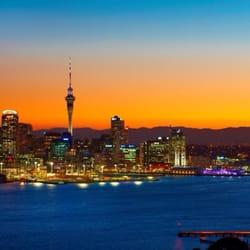 Should you wish to find out more about New Zealand, then you may want to start by learning all about the demographics of New Zealand.
The demographics of New Zealand include the ethnic, gender, religious, geographic and the economic backgrounds of all the people living in New Zealand.
Some interesting demographics of New Zealand
Religions in New Zealand
The biggest religions in New Zealand are Protestant which makes up (38%) and Roman Catholic which makes up Catholic (12%). You may be surprised to learn that over 30% of Kiwis are not religious.
New Zealand national anthems
New Zealand has two official national anthems. One is “God Defend New Zealand” and the other is “God Save the Queen”. Although they have the same equal status, “God Defend New Zealand” is the most preferred and commonly used of the two.
The New Zealand life expectancy
People in New Zealand, on average, live long and healthy lives. The general life expectancy is 80 years of age. Males being 78.88 years and females being 83.08 years.
The birth rate in New Zealand
The average birth rate in New Zealand is 13.4 births/1,000 population.
The death rate in New Zealand
The average death rate in New Zealand is 7.3 deaths/1,000 population.
The population size of New Zealand
The estimated population size of New Zealand is 4.4 million people. Of this number of people, 50% are of European descent.
The major cities in New Zealand
New Zealand has five major cities. These major cities are Auckland, Christchurch, Wellington, Hamilton and Tauranga.
The capital of New Zealand
The capital city of New Zealand is Wellington. The largest city in New Zealand is Auckland.
The official languages in New Zealand
The New Zealand languages consist of English (official), Maori (official), New Zealand Sign Language (NZSL) (official) and Kiwi Slang (unofficial). The primary language in New Zealand is English.
I wish to emigrate to New Zealand what do I do?
If you wish to emigrate to New Zealand it may be worth your while to look into all the options available to you. In addition, it is going to be worth your while to consider making use of a licensed immigration advisor who will be able to advise you best accordingly.
- Published in Life in New Zealand
Safety In New Zealand

 Unfortunately one of the most common reasons for wanting to emigrate to New Zealand is the fear of crime and a fear for your families’ safety in your home country.
It is therefore really important to find out as much as you can about the safety in New Zealand, should this be your reason for migrating.
The truth about safety in New Zealand
Although New Zealand is extremely safe, no country is perfect. There may be a few unsafe elements here and there, however overall New Zealand is known to be one of the safest countries in the world.
How does New Zealand rate?
The good news is that New Zealand is rated in international surveys as one of the world’s most peaceful and least corrupt countries. If you are still feeling unsure, we can prove it.
The Global Peace Index rates 162 countries, according to 23 indicators that gauge the absence of violence or the fear of violence. According to the 2015 Global Peace Index, New Zealand rates as the world’s fourth safest country.
Transparency International’s 2014 Corruption Perception Index rates New Zealand as the second least corrupt country in the world.
The New Zealand police
In terms of safety in New Zealand, the New Zealand police force really helps to keep the country safe. They have a very strict police force that is reliable, trustworthy and extremely dedicated.
The New Zealand police are also in charge of handling traffic, patrolling roads for traffic violations and giving out tickets. This in addition to all their other responsibilities.
Freedom in New Zealand
New Zealand is a very free and safe country. You will be spoilt by all the scenery and beautiful open spaces. Due to the factor that the safety in New Zealand is on such a high standard, you and your family can enjoy all the amazing things that New Zealand has to offer.
New Zealand is known for its fun, exciting and worry-free outdoor activities such as hiking, water sports, beaches, forests, fields, parks, mountains and more. You will have the opportunity to enjoy beautiful days in nature with your family.
What about corruption in New Zealand?
As in every country there is always some degree of corruption and New Zealand is no exception to this rule. However the levels of corruption are so low they are almost nonexistent.
When it comes to services and goods, you can expect to pay the price which is advertised. People in positions in authority do what they are meant to do and do not take bribes. Extra fees or ‘favours’ are not something that you will find in New Zealand. The country does everything which it can to keep everything fair and away from corruption.
Neighborhood support
There are many neighborhood support groups where neighbours work together in order to help keep their areas safe. These support groups help to encourage each other to work together to ensure that people keep an eye out for one another. Even the smallest elements of unsafety in a neighbourhood are dealt with.
I would love to move to New Zealand
If the safety in New Zealand is something that excites you and you would like to consider your options of emigrating to New Zealand with your family, then you have come to the right place.
We are experts at what we do, and we would love to help you make your move to New Zealand become a reality for you and your family.
Simply book a consultation call to get started.
- Published in Life in New Zealand